


Los Cabos sits at the southern tip of Baja California, where the Pacific Ocean and the Sea of Cortez meet against a backdrop of ochre desert cliffs and rock formations that show up in half the travel magazines published each year. For couples who have done their research, it consistently tops the shortlist for destination weddings, not because of novelty, but because the infrastructure, the vendor community, and the scenery all point in the same direction. Every detail-oriented decision tied to a wedding there reflects the same underlying instinct, whether you are selecting a local caterer, briefing your florist, or sourcing wedding day candles that fit the ceremony’s overall tone.
Getting there is straightforward; getting it right is a different question. Couples who arrive exhausted and behind almost always underestimate how many small decisions stack up in the eight weeks before departure. What follows is a breakdown of the choices that have the most actual impact on how the day unfolds, drawn from the patterns that show up again and again among couples who have done this well.
Picking the Right Season Before You Commit to a Venue
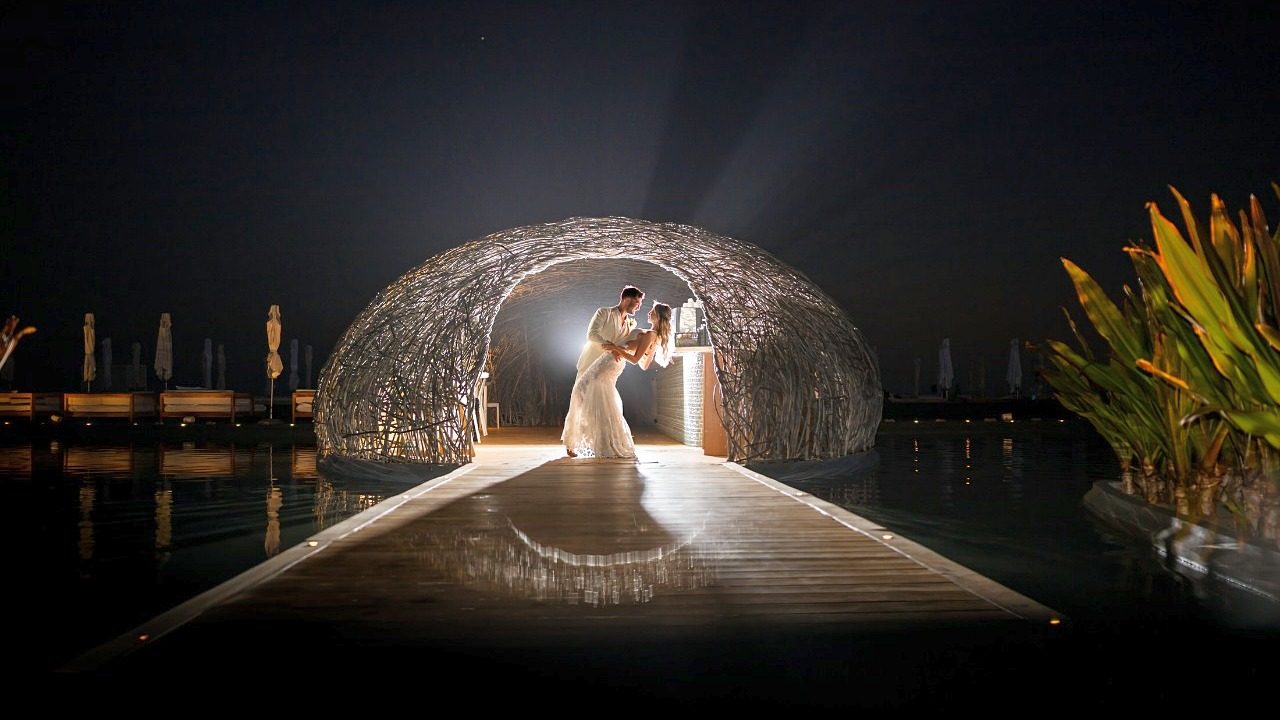
The window from October through May is when Los Cabos is most reliable for outdoor ceremonies and receptions. Humidity is low, temperatures sit in the mid-70s to low 80s Fahrenheit, and the threat of late-season tropical activity drops close to zero. June through September brings sustained heat and, occasionally, weather systems pushing up from the Pacific that can disrupt outdoor plans.
This is not a reason to eliminate a summer wedding entirely. Indoor and semi-indoor venues throughout the region handle the heat without issue, and the shoulder months of October and May often come with better venue availability and lower minimum spend requirements than the peak January-to-April stretch. Couples who choose a summer date and book the right kind of venue often report more flexibility than those competing for December slots.
If elderly guests or young children are part of the picture, the cooler months are genuinely easier on everyone. That consideration alone has shifted more than a few wedding dates from July to November, and the couples involved have not regretted it.
What Your Venue Choice Is Actually Deciding for You
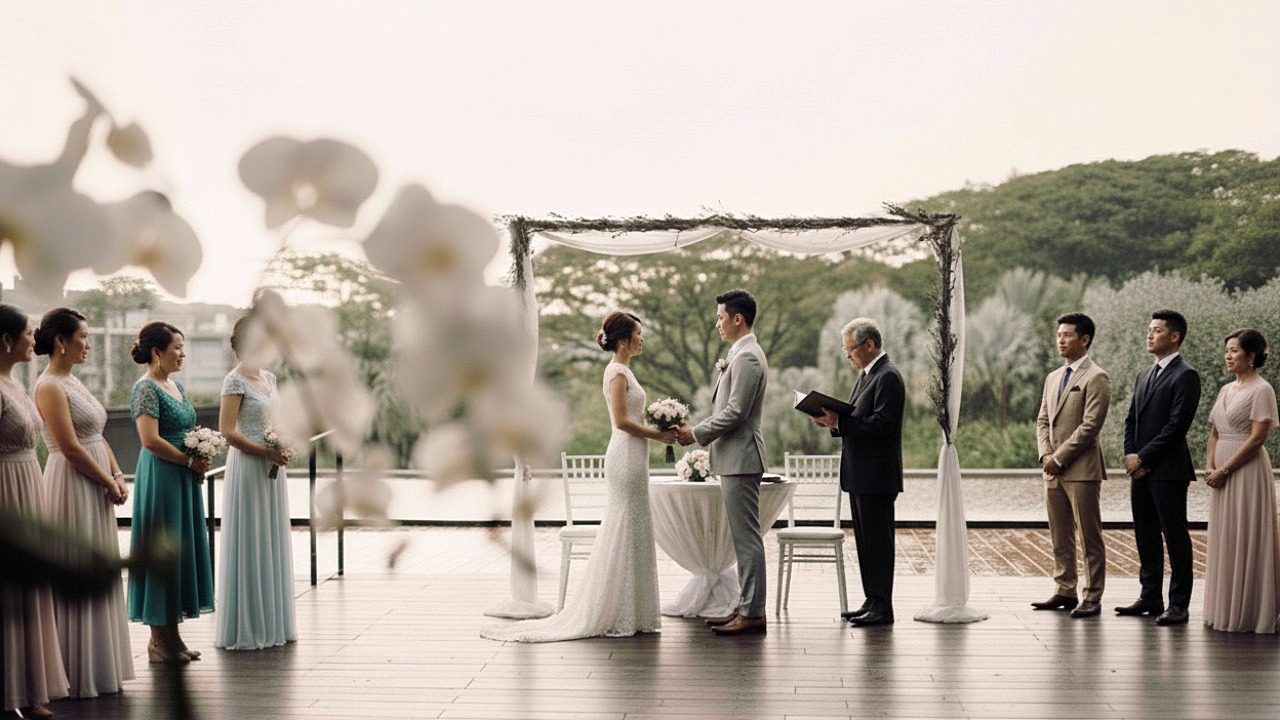
In a destination wedding, the venue is not just the backdrop. It functions as your planning infrastructure, and that distinction matters more than most couples expect until they are deep in the process. All-inclusive resort venues in Los Cabos typically come with an on-site coordinator, established vendor relationships, and the ability to accommodate guests under one roof. That last point turns out to be one of the highest-leverage decisions couples can make, because managing room blocks at multiple properties adds an entirely separate layer of communication to an already busy planning window.
Private villas and boutique venues offer more control over vendor selection and decor, but they transfer most of the coordination work to your planner or to you directly. The premium venues in the region, including Four Seasons and Nobu Hotel Los Cabos, provide strong logistical support but carry minimum spend requirements that shape the total budget considerably.
What experienced local planners consistently recommend: visit the venue in person before signing anything. No photograph communicates how the afternoon wind off the Sea of Cortez affects an outdoor ceremony space, or where the sun is positioned at 5:30 pm during the month you are planning to marry.
Working with Vendors You Have Never Met
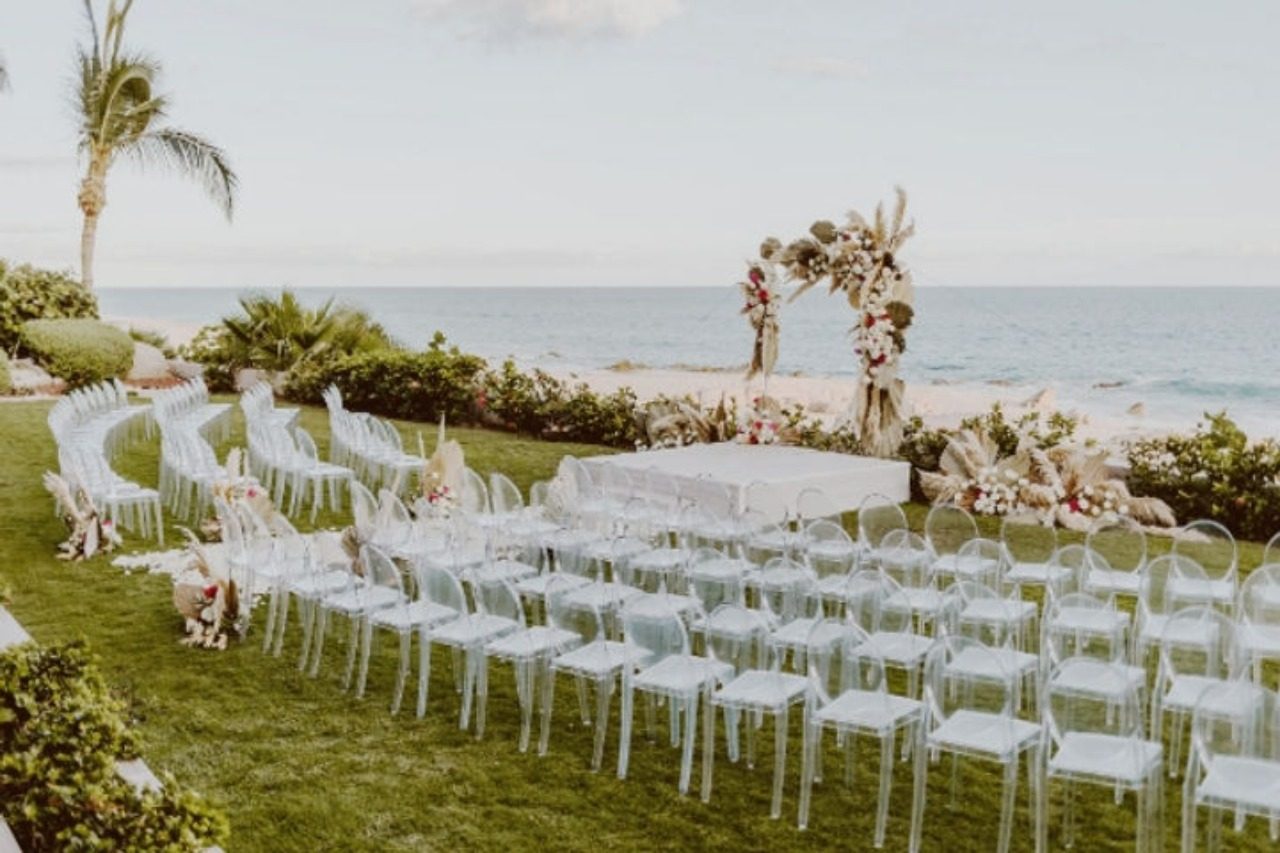
Managing a vendor team across several thousand miles is genuinely unfamiliar for most couples. The practical approach is less daunting than it sounds, but it does require more upfront verification than you would apply to a local vendor. Ask for references from couples who worked with each vendor in the past 18 months, and check specifically whether they have handled international clients before, as the documentation and communication expectations can differ.
The vendor community in Cabo is well-established and used to working together. Photographers, floral designers, entertainment groups, and culinary teams have enough history with each other that a good local planner can assemble a team with minimal friction. That embedded network is part of what a strong planner brings to the engagement, and it typically saves more in avoided mistakes than the planning fee costs in the first place.
One specific thing to confirm early: that each vendor carries the appropriate business licenses for event services in Baja California Sur. It rarely comes up as a problem, but it is the kind of detail that is far easier to check in advance than to sort out when something goes wrong close to the date.
Making the Trip Worth It for Your Guests
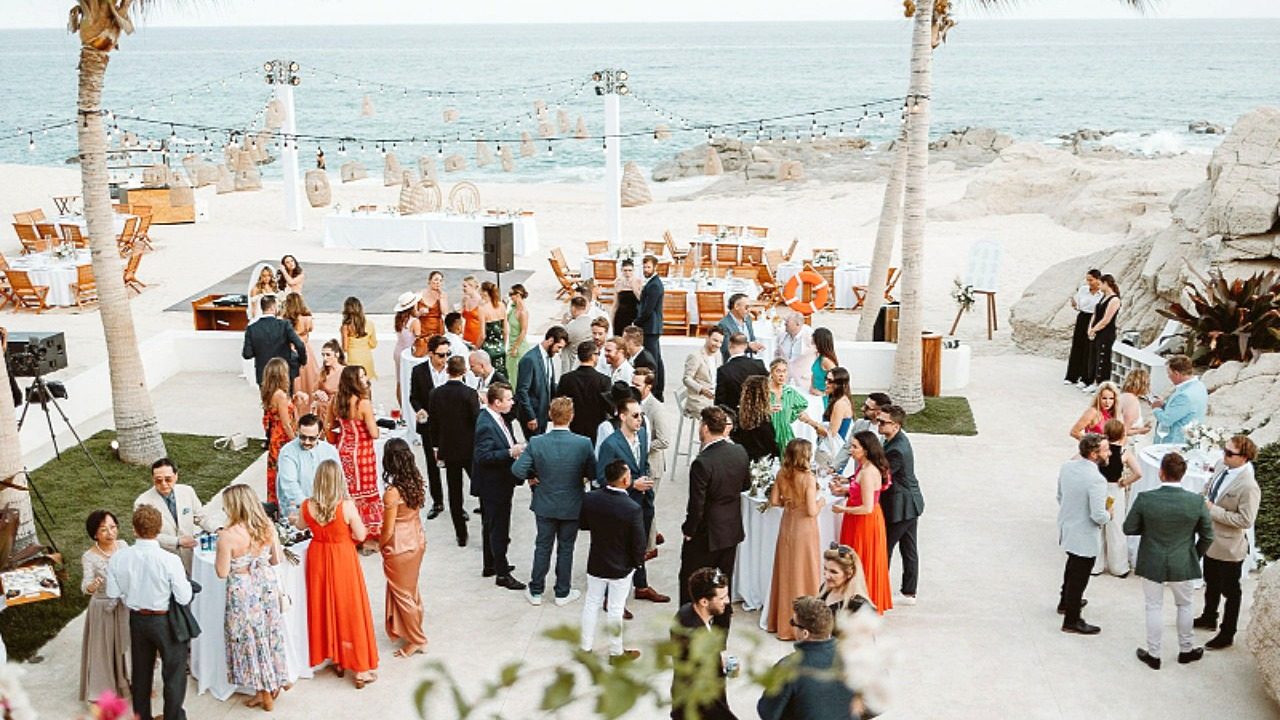
Guests attending a destination wedding are making a real commitment. Flights, accommodation, and time off work add up quickly, and the experience they have around the ceremony, not just during it, shapes how they remember the entire event. Couples who treat the broader trip as part of the hosting obligation tend to generate a noticeably different energy than those who hand off a hotel block and leave guests to sort out the rest.
A welcome dinner the night before is the single highest-return investment most planners recommend. Organized excursions for guests who arrive a day or two early, and clear advance communication about local transportation options, reduce the low-grade friction that can quietly affect the mood before the ceremony. Los Cabos has strong options: boat trips to El Arco, whale watching from January through March, sport fishing, and easy day trips to San Jose del Cabo are all straightforward to arrange.
Before finalizing travel plans, point your guests to the U.S. State Department’s international travel checklist. Including that link in your wedding website answers most of the passport and travel insurance questions before they are asked.
The Week Before and the Things That Catch Couples Off Guard
The seven days before a destination wedding tend to surface everything that was handled in principle but not in specifics. Which guests need airport transfers? Who is managing the decor delivery window at the venue? What is the backup plan if an outdoor ceremony has to relocate? These are not problems that require elaborate solutions, but they need actual answers rather than assumptions.
Health preparation is one area that frequently gets deferred. Reviewing the CDC’s Mexico traveler health guide is a practical step, particularly for guests who have not traveled internationally in recent years. It covers recommended vaccinations, food and water safety, and what to expect from medical facilities in the region. Sharing that resource with guests well before departure is a reasonable courtesy that costs almost nothing.
Couples who report the least stress at destination weddings are not the ones who over-planned every moment. They are the ones who identified the handful of things that absolutely could not go wrong, made sure those were handled specifically, and gave the rest room to move.