


Los Cabos has become one of the most coveted addresses in the Americas. Sprawling hilltop villas, marina-front condominiums, and boutique resort residences have reshaped the skyline of Baja California Sur over the past decade, and the pace of new development shows no sign of easing. The investors driving this surge are not settling for generic construction. They want materials that hold up in a desert-coastal environment, finishes that carry warranty value, and components with documented quality credentials.
What often gets overlooked in conversations about luxury development is how much of what makes a property exceptional starts long before the building process begins. Plumbing fittings, electrical conduit casings, custom cabinetry hardware, drainage components: a significant share of these parts arrive from manufacturing facilities scattered across Southeast Asia, Europe, and North America. Getting sourcing decisions right early in a project determines much of the outcome. Developers who treat procurement as an afterthought tend to learn that lesson mid-build, when substitution costs are highest.
The Plastics Revolution in High-End Building Components

Modern construction consumes enormous volumes of engineered plastic parts. The days when plastic connoted low-quality materials are over; today’s high-performance thermoplastics and composites go into load-bearing applications, moisture barriers, and custom architectural fittings that would have required machined metal a generation ago. For coastal developments in particular, the corrosion resistance of properly formulated plastic components has made them a preferred choice over metal in dozens of applications.
Southeast Asia has become the dominant production region for these components. Specifying a supplier experienced in injection molding Malaysia gives procurement teams access to facilities running modern servo-electric presses, ISO-certified quality systems, and tooling built to tolerances that rival European manufacturers at a fraction of the cost. The combination of technical depth and competitive pricing explains why Malaysian manufacturers now supply components to construction projects across four continents.
This shift did not happen overnight. Malaysia’s position in the plastics value chain built over decades, anchored by proximity to petrochemical feedstock sources and deliberate national policy to develop a skilled engineering workforce in the sector.
Why Coastal Environments Push Components to Their Limits
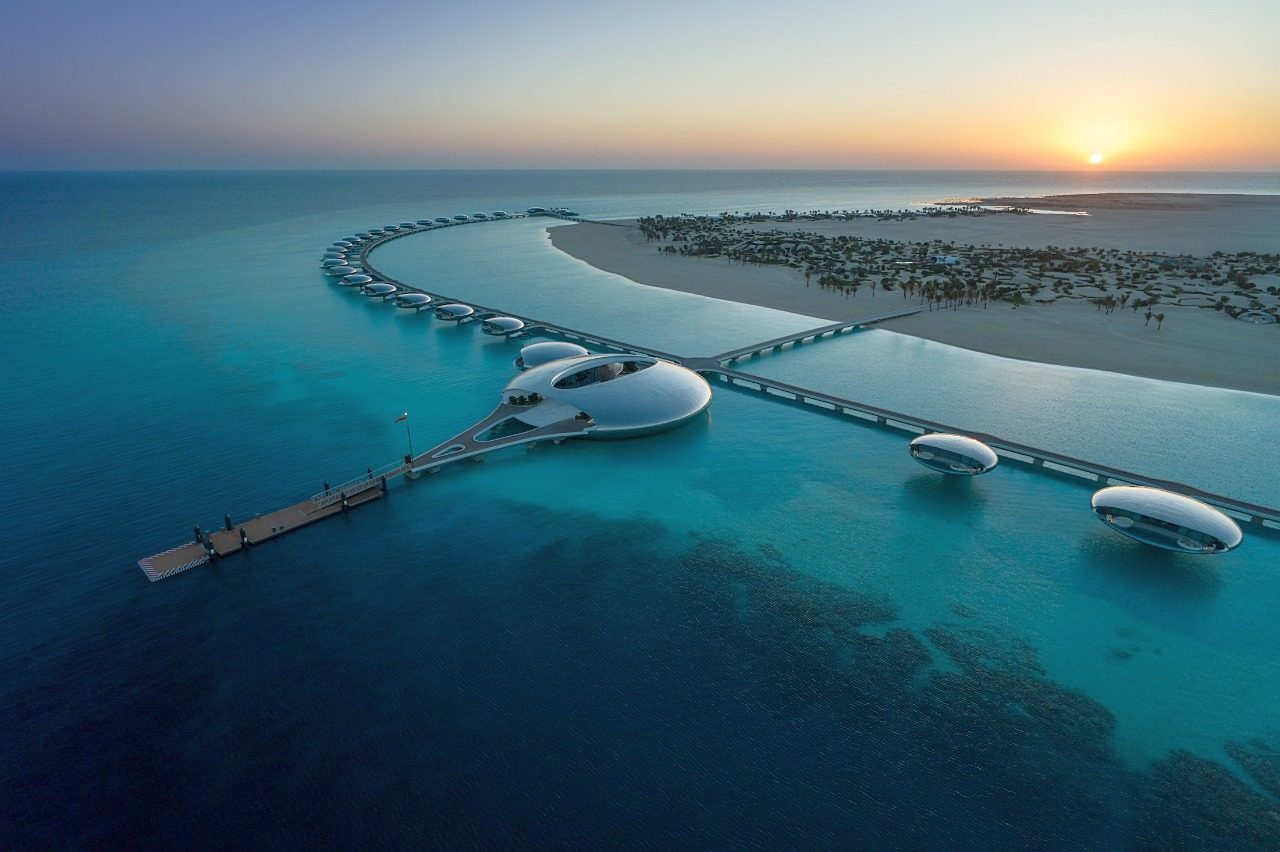
A luxury home in Los Cabos faces conditions that most construction components were not designed with in mind. The combination of high UV radiation, salt-laden air, dramatic daily temperature swings, and seasonal humidity makes material selection a genuinely consequential decision. Something that would last 25 years in a climate-controlled Northern California suburb might fail in eight in Cabo Corridor without the right specification.
Plumbing components are a useful case. Copper pipe remains common in Mexican construction, but PVC and CPVC fittings made from impact-modified resins now handle thermal cycling better in many applications. The same logic applies to electrical junction boxes, conduit, and exterior drainage systems. Developers who specified generic import-grade plastics a decade ago are now replacing them; those who sourced from quality-certified manufacturers are still on original installations.
Architects experienced in coastal construction have started building material spec sheets into early project documentation rather than leaving procurement to the general contractor. The argument is simple: a fitting specified correctly at design stage costs far less than remediation mid-project.
Sourcing Strategy Across Borders
Bringing precision-manufactured components from Southeast Asia to a Baja California construction site is not as straightforward as a domestic purchase order. Lead times, customs processing, freight consolidation, and inspection logistics add complexity that inexperienced procurement teams underestimate. Most established developers in Los Cabos have either built in-house procurement capacity or work with a trading company that specializes in construction component import.
According to the U.S. International Trade Administration, Malaysia’s plastics industry recorded a turnover of $13.1 billion in 2023, with construction components representing one of four major downstream sectors. That scale reflects an industry structured to serve export markets, which means documentation, compliance certifications, and English-language technical support are standard, not exceptional.
Lead times from Malaysian manufacturers typically run six to twelve weeks depending on tooling requirements and order volume. Developers who work this into their project scheduling find that sourcing costs drop substantially compared to last-minute procurement from US distributors carrying significant markup.
Evaluating Manufacturers Before You Commit
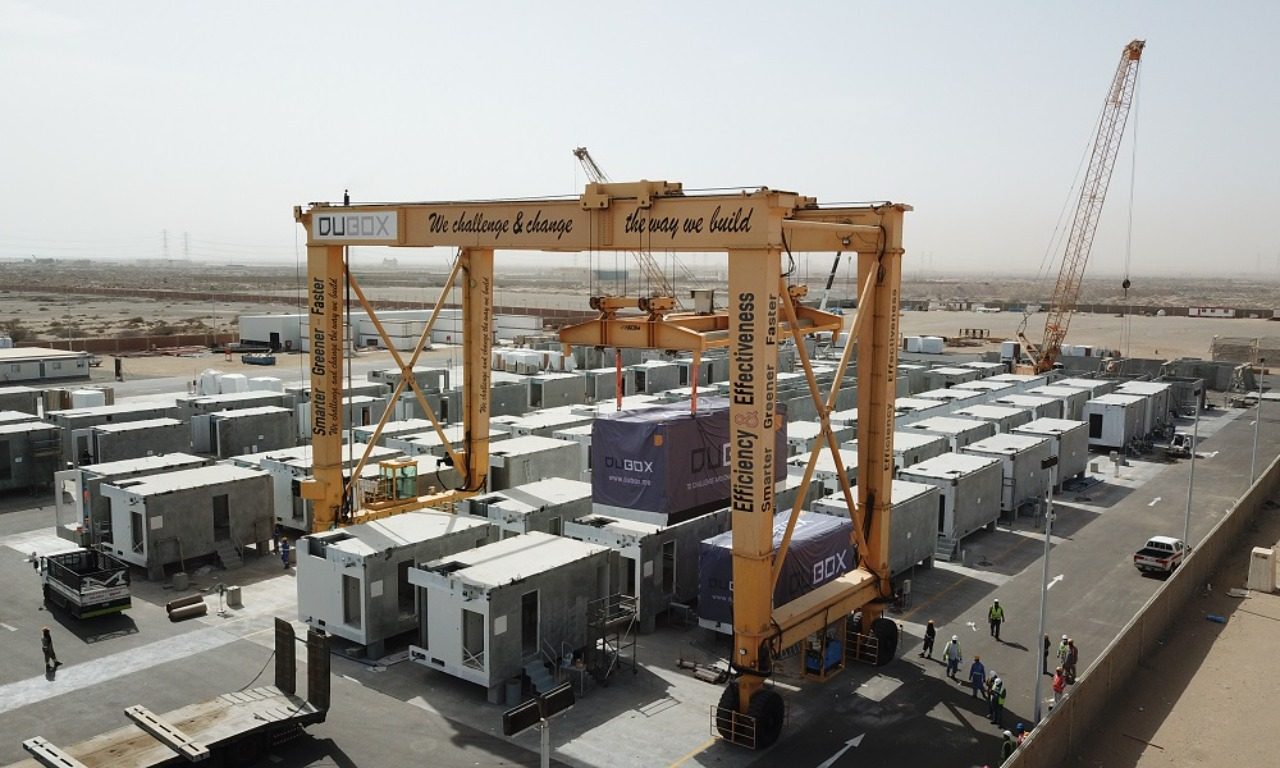
The difference between a reliable international manufacturing partner and a problem vendor often comes down to due diligence that buyers skip to save time upfront. Factory audits, third-party quality verification, and review of existing certifications are not optional steps for projects where component failure carries significant remediation costs.
Safety compliance is one reliable proxy for manufacturing discipline. OSHA’s plastics industry safety guidelines lay out the standards that govern responsible plastics manufacturing in the US, and many buyers use these as a benchmark when evaluating overseas suppliers. Not because OSHA has jurisdiction overseas, but because a manufacturer running to that level of operational discipline usually runs tight quality control as well. Asking for safety records alongside ISO certifications gives a more complete picture than certifications alone.
Technical capability is the other dimension worth probing. A manufacturer that can share production simulation data, mold flow analysis, and material qualification reports is operating at a fundamentally different level than one that simply quotes and ships. For custom components, which describes most of what goes into a premium coastal development, that technical depth matters considerably.
What Is Driving Specification Changes Now
Sustainability certification for buildings has moved from a marketing asset to a genuine buyer requirement in the Los Cabos market, particularly among European and West Coast American buyers. This shifts sourcing priorities toward manufacturers who can document recycled content ratios, carbon footprint per unit, and end-of-life recyclability. Southeast Asian manufacturers have become increasingly capable of providing this documentation, which has made them more competitive in the premium segment.
Custom-profiled components have also seen growing demand, replacing standard catalog parts in many high-end applications. Custom drainage channels, bespoke exterior fixture housings, and purpose-built structural clips give a property a level of finish that catalog procurement cannot replicate. That kind of work requires a manufacturing partner with genuine tooling capability and design-for-manufacturability expertise, not just production floor capacity.
Supply chain redundancy has become a more prominent procurement criterion after several projects hit delays because a single-source component fell through during shipping disruptions. Experienced developers now qualify two or three manufacturers for critical components rather than concentrating volume in a single supplier. The upfront vendor qualification cost is predictably less than the cost of a construction delay waiting on a part that did not arrive.