

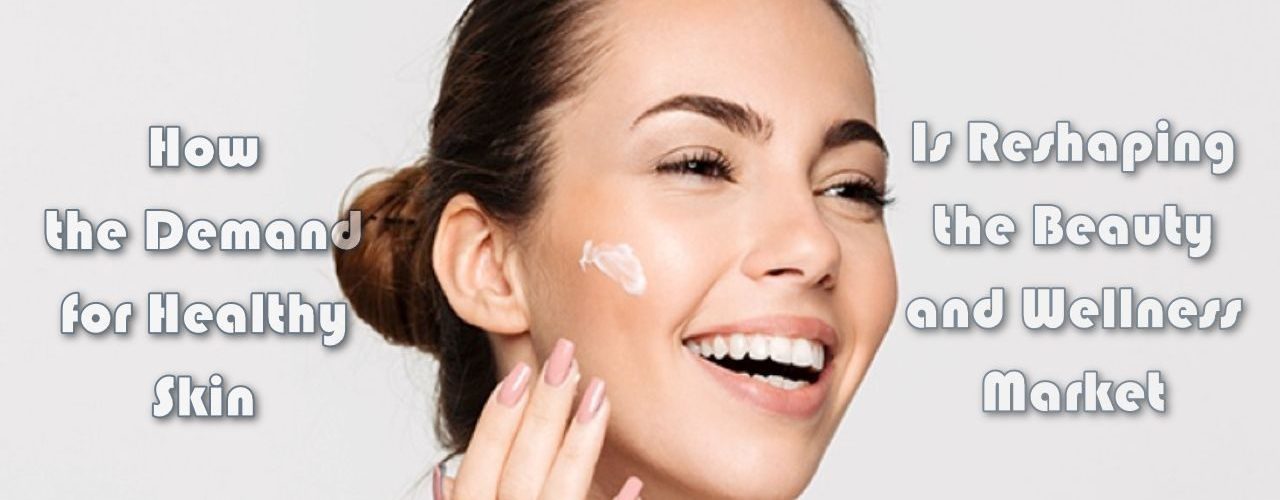
Healthy skin has moved from a personal goal to a mainstream expectation. People now treat skin the way they treat sleep, nutrition, and fitness. As daily stress rises and screens keep faces in constant view, consumers chase calm, even-toned, resilient skin that looks good up close and holds up over time. That shift has changed what shoppers buy, how they judge brands, and which services they trust.
The result is a market that looks less like traditional beauty and more like a blend of wellness, clinical care, and smart consumer tech. Brands chase credibility with science-first messaging. Retailers redesign shelves around routines and results. Clinics expand offerings. Even hair care and body care start to sound like facial skincare. Healthy skin has become the new anchor category, and the ripple effects reach every corner of the industry.
Clinical Credibility Is Becoming a Buying Trigger
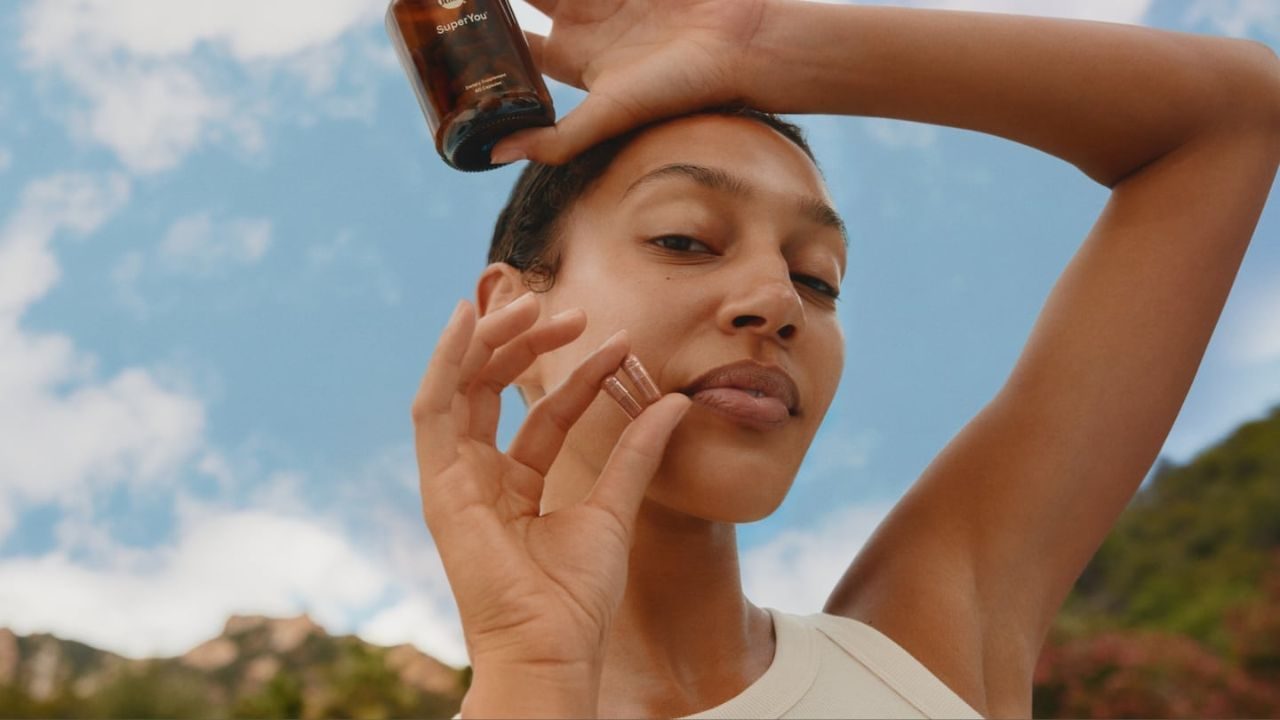
When people ask for guidance, they gravitate toward medical authority and clear explanations, like advice from dermatologist Dr. Evelyn Tay on winter-healthy skin habits that protect the barrier and reduce irritation during cold, dry months. This kind of calm, clinical framing gives shoppers a simple way to judge products: will it support skin health, or will it create more sensitivity later?
This demand pushes derm-backed positioning into the spotlight. Shoppers look for dermatologist-tested claims, transparent ingredient rationale, and a safety-first tone. They also expect brands to respect skin diversity, from acne-prone teens to adults dealing with sensitivity, rosacea, hyperpigmentation, or menopausal dryness. Trust grows when brands speak plainly and avoid miracle language.
Industry research supports this direction. Analysts describe skincare as a core growth engine within beauty, and they highlight the rising value consumers place on efficacy and perceived value rather than status packaging.
This credibility race has another effect: it raises the bar for product claims. Brands now face tougher questions from consumers who read labels, cross-check ingredients, and watch dermatologist content online. In response, many companies invest more in testing, clinical data, and clearer product education.
From Quick Fixes to Skin Health as a Daily Priority
Consumers used to build routines around problems they wanted to hide. Now they build routines around skin function. They talk about barrier support, inflammation control, pigment regulation, and long-term sun defense. Industry voices have tracked this shift as a major driver in skincare demand, with barrier repair moving from niche jargon to everyday language.
That change also explains a new kind of patience in the market. People still want fast results, but they accept that real progress takes consistency. They compare products like they compare supplements or training plans. They want evidence, realistic timelines, and clear usage rules. This mindset rewards brands that educate without talking down to shoppers.
Healthy skin has also become a form of self-expression. Minimal makeup trends thrive because many consumers want their bare skin to look steady and comfortable, not masked. That does not kill color cosmetics. It reshapes it. Makeup now leans toward skin-friendly formulas, hybrid products, and finishes that mimic well-rested skin instead of heavy coverage.
The Barrier Era Is Changing Formulas and Messaging
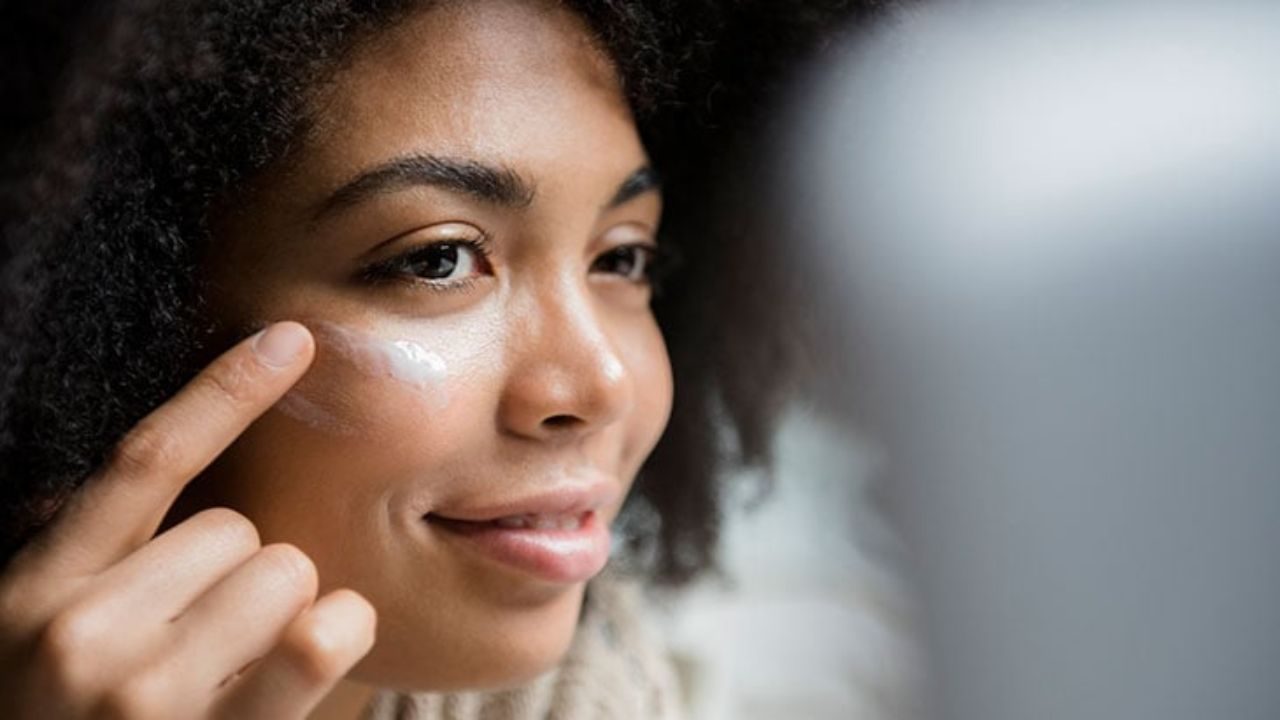
Barrier support sounds trendy, but it reflects a real shift in consumer pain points. Over-exfoliation, aggressive activities, climate stress, and daily friction from masks or shaving can push skin into a reactive state. When that happens, shoppers stop chasing the next activity and start chasing comfort. That drives demand for ceramides, glycerin, fatty acids, gentle surfactants, and inflammation-calming ingredients.
Dermatologists and industry coverage have described barrier health as a defining skincare theme, with the outer layer playing a central role in dryness, sensitivity, and visible aging. This matters for the wider market because barrier-first routines encourage repeat purchasing. A consumer who feels relief sticks with the product. They recommend it. They build a routine around it.
Barrier-focused demand also supports skin cycling, minimalist routines, and simplified product wardrobes. This creates a paradox. Consumers buy fewer random products, but they pay more attention to the ones they keep. Brands win when they earn a permanent spot in the routine.
Marketing continues to shift from hype to proof. Instead of loud trend-chasing, many brands now lead with skin biology, gentle performance, and longer-term benefits. That tone aligns well with wellness culture, which values consistency and prevention.
Beauty Tech and Personalization Are Moving Into the Mainstream

The healthy skin boom pairs naturally with personalization. If someone treats skincare like wellness, they want a routine that fits their skin, climate, schedule, and tolerance level. AI quizzes, routine builders, digital skin assessments, and connected devices promise that kind of tailoring. Some tools truly help, especially when they guide consumers away from irritation and toward simple, steady habits.
As competition grows, brands hunt for defensible differentiation. Personalization creates stickiness. It can also cut returns and reduce product hopping. It also helps brands serve consumers with specific needs, like post-inflammatory hyperpigmentation, hormonal acne, or reactive skin that cannot tolerate strong actives.
Devices play a role, too. LED masks, microcurrent tools, and at-home resurfacing gadgets attract consumers who want clinic-style results with more control and less downtime. These tools also fuel a results tracker mindset. People photograph progress. They log reactions. They connect their skincare to sleep, hydration, and stress management. That turns skin health into a measurable routine, which fits the wider wellness economy.
The key risk lies in expectations. Personalization needs boundaries. Brands that set clear guardrails, warn against overuse, and encourage patch testing protect both consumers and their own reputations.
Skinification Is Spreading Skin Health Logic Across Categories
Healthy skin demand no longer stops at the face. Shoppers now treat the scalp as skin, body care as skincare, and even makeup as part of skin health. This skinification movement pushes ingredient literacy into hair care and body care, with formulas borrowing familiar skincare activities and textures.
In hair care, scalp health and ingredient-driven routines are taking center stage. That shift influences product design, merchandising, and education. Brands sell scalp serums, exfoliating treatments, microbiome-friendly products, and gentle cleansing systems. They market them with clinical cues and routine logic that resembles facial skincare.
Body care follows the same path. Consumers want smooth texture, fewer bumps, even tone, and comfortable hydration. They choose exfoliating body washes, barrier creams, and fragrance-light formulas that feel safe for sensitive skin. Sun care also benefits, because prevention sits at the heart of skin health. Shoppers treat SPF as daily hygiene, not a beach-only purchase.
This expansion changes category boundaries. Brands that once lived in one aisle now stretch into adjacent needs. The winners build coherent systems, not random line extensions.
Retail, Services, and Brand Strategy Are Adjusting Fast
Retailers now curate around routines and outcomes instead of single hero products. They spotlight dermatologist-endorsed brands, simplify education at the shelf, and organize products by concerns like barrier support, acne, or discoloration. Subscription models and auto-replenishment gain traction because skin health thrives on consistency.
Clinics and med-spas also benefit from the healthy skin wave. Many consumers see professional treatments as part of maintenance, not a rare splurge. At the same time, they demand natural-looking results and gentler recovery. Treatment menus increasingly emphasize skin quality, texture refinement, and tone correction rather than dramatic changes.
For brands, the strategy shift looks clear:
- Prove value in plain language. Consumers compare ingredients, testing, and results with a skeptic’s eye.
- Design for tolerance and long-term use. Skin health routines fail when irritation appears. Barrier-first design protects loyalty.
- Build trust across channels. Social content drives discovery, but trust grows through consistent education, transparent claims, and reliable customer support.
Healthy skin demand will keep reshaping the market because it is connected to daily life. People want skin that feels comfortable in real conditions: winter air, office heating, travel, stress, and long screen days. Brands that respect that reality and back it with credible guidance will keep winning share as the beauty category continues its steady growth path.